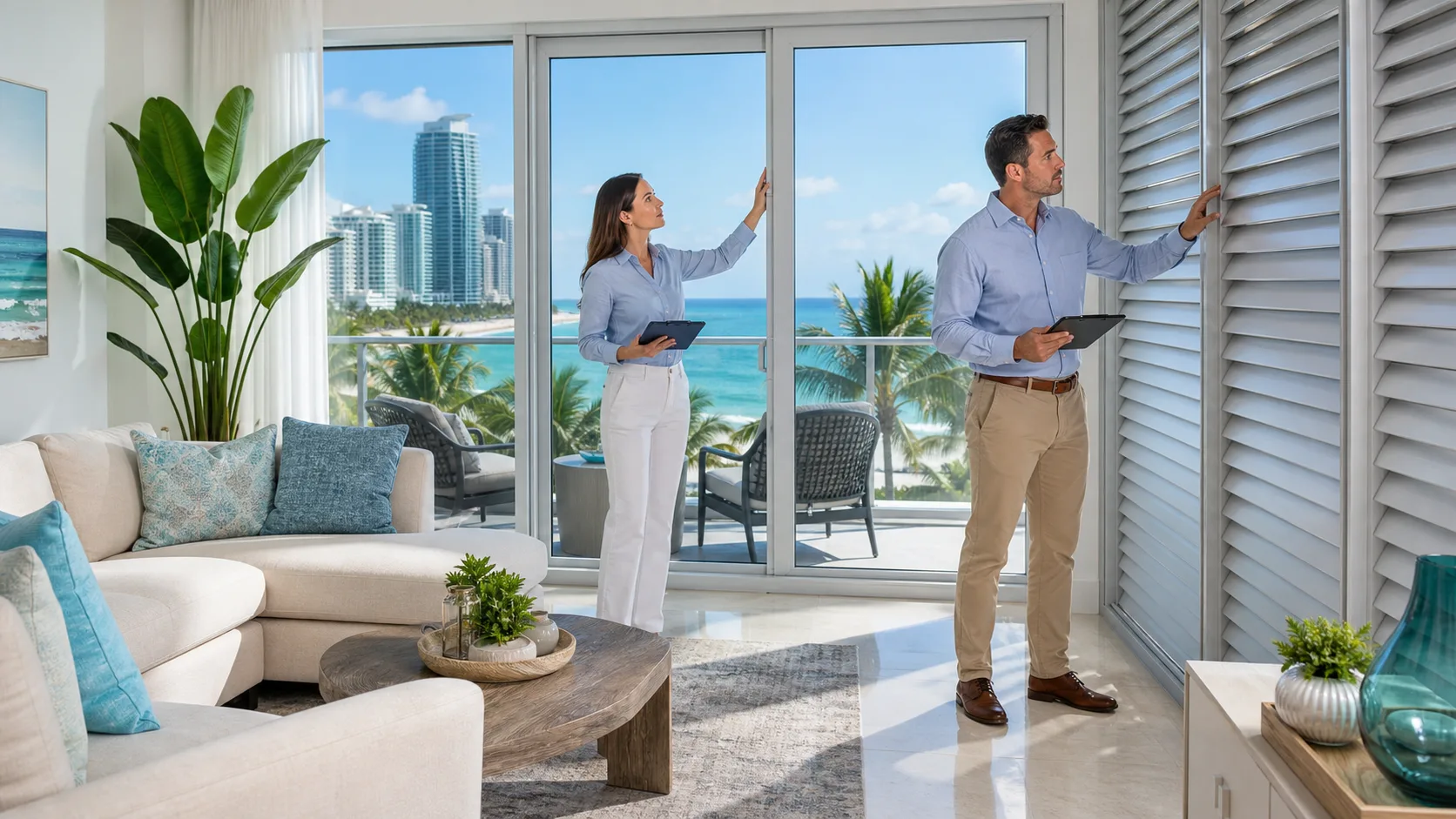
Hurricane-Resilient, Kid-Safe Miami Beach Airbnb Design Checklist
Turn Hurricane Season Into Your Airbnb Advantage
Designing a Miami Beach Airbnb that can handle a storm and still feel like vacation is not a luxury; it is smart business. Families want ocean views and pool days, but they also want to know their kids are safe and that the home will hold up if the weather turns. When a storm warning pops up on their phones, they do not want stress; they want a clear plan and a solid house.
Many trips get cut short when a rental is not ready for bad weather. Power goes out, doors leak, balconies feel risky with kids, and everyone ends up tense. On the other hand, families who stay in a hurricane-ready, kid-safe home can ride out a storm band, keep the kids busy, and get back to the beach when it is clear. That difference is what keeps bookings strong through late fall and the shoulder months of hurricane season.
At Tangy Management, we focus on design-forward, family-ready homes in Miami Beach and similar coastal areas. We care about style, but we care just as much about safety and function. Below, we will walk through materials to pick, layout choices that prevent accidents, and a simple safety checklist you can apply to a new build or a current Airbnb Vacation Rental.
Building a Hurricane-Resilient Shell That Still Feels Like Vacation
Strong bones come first. In Miami Beach, the right exterior materials help protect both your guests and your long-term investment. For the outside shell, prioritize code-compliant protection that still preserves natural light and the view.
- Impact-rated windows and doors that meet local code and still frame the view
- Wind-resistant roofing such as metal panels or high-rated shingles with strong fastening systems
- Solid roof-to-wall connections that help keep the lid on when winds pick up
- Durable siding like fiber cement or well-detailed stucco with proper waterproofing and corrosion-resistant fasteners
Water is always part of the story here, from heavy rain to tidal flooding. A resilient home anticipates water intrusion and reduces the chance that minor flooding turns into major damage, especially on lower levels.
- Key mechanicals like HVAC units, electrical panels, and water heaters elevated above expected water levels
- Flood vents where they are appropriate, to help water move through lower areas instead of pushing on walls
- Moisture-ready finishes on lower floors, such as tile or sealed concrete, PVC or composite trim, and mold-resistant drywall
- Good drainage grading, French drains where needed, and gutters that push water away from entries and foundations
A tough shell does not have to feel like a bunker. The goal is to keep guests in a vacation mindset while quietly building in resilience, so the home reads as stylish first and storm-ready always.
- Using soft coastal color palettes, woven textures, and wood tones to warm up tile, concrete, and glass
- Mixing in art that reflects the beach, local culture, and nature
- Choosing hurricane shutters, panels, or screens that blend into the design and can be deployed quickly between guest stays
Kid-Safe by Design: Room Layouts That Prevent Accidents
Safety for kids starts long before locks and latches. It begins with the way rooms are arranged and how people move through the home. When layout reduces blind spots, clutter, and fall risks, families relax because daily routines feel easier.
At entries and in common areas, we like layouts that keep traffic flowing and supervision simple, especially when everyone comes in wet, sandy, and carrying gear.
- Clear, wide entry zones with non-slip, sand-friendly flooring
- A landing area for strollers, beach gear, and shoes that keeps clutter out of walkways
- Open floor plans that give caregivers a direct view from the kitchen to the living area
- TVs, mirrors, and large decor anchored to studs so nothing tips in daily use or during strong winds
Bedrooms can work for both kids and grandparents when you plan them right. The main idea is to reduce stair dependence for guests who need it, and to place sleeping areas away from the biggest glass exposure when possible.
- At least one ground-floor or easy-access bedroom for guests who should avoid stairs
- Bed placement away from windows and glass doors, especially in coastal-facing rooms
- Cordless blackout shades or shades with safety tensioners so cords are not a hazard
- A labeled closet bin or cabinet with portable cribs, bed rails, noise machines, and blackout panels
In kitchens and baths, safety works best when it is built into how the space functions. When storage, sightlines, and surfaces are planned well, you rely less on reminders and more on a home that naturally reduces risk.
- A central kitchen with clear views and childproof storage for cleaning products, knives, and glassware
- Dishware and kid-friendly cups in lower, easy-to-reach drawers so adults do not have to lift kids onto counters
- Bathrooms with non-slip tile, grab bars that match the style, soft-close toilet seats, and anti-scald devices on showers
- Rounded or protected corners on islands, coffee tables, consoles, and nightstands in kid zones
Securing Balconies, Pools, and Views Without Sacrificing Bookings
Balconies and pools help your listing stand out, but they are also the areas families stress about the most. Good design can keep the wow factor while lowering risk. The key is to treat these zones as “high attention” areas where materials, furniture choices, and clear rules all work together.
For balconies in a high-wind, high-rise setting, design should preserve the view while reducing climbability, improving durability in sea air, and limiting objects that can become hazards in gusts.
- Railings at proper code height with narrow spacing so kids cannot slip through
- Vertical rails or full glass panels that keep views open but are hard to climb
- Corrosion-resistant materials that hold up to sea air and strong winds
- Minimal, sturdy furniture and no loose decor that can blow or be used for climbing
- Balcony safety rules posted in the guidebook and digital house manual
Pool and waterfront areas can feel like a resort and still be safer for kids. Here, you want layers: barriers, alerts, and clear separation between play areas and water access.
- Self-closing, self-latching gates with childproof latches around the pool
- A clear separation between the house, pool, and any beach or dock access
- Door and slider alarms that chime when someone goes out toward the water
- Consideration of in-pool alarms or surface sensors where they are a good fit
- Slip-resistant decking and clear visual contrast on steps and ledges in the pool
Outdoor living needs to work both in sun and in storms. That means choosing pieces that are comfortable day-to-day, but also easy to secure quickly so you are not scrambling between guest turnovers when a weather system shifts.
- Heavy, low-profile outdoor furniture that will not blow easily
- A dedicated hurricane closet or storage area for lighter pieces and decor
- Pergolas, shade sails, and umbrellas that are anchored properly and designed for quick takedown
- Landscaping with low shrubs, synthetic turf, or rubberized play tiles in kid zones
- Wind-tolerant plants that are less likely to snap or turn into debris
Smart Tech, Backup Power, and Guest Communication in Storms
Smart planning inside the walls helps you respond fast during bad weather and keep guests calm. The most effective setups combine monitoring, fast access, and clear operational steps so your team can act quickly even if travel is disrupted.
Helpful smart home tools for Airbnb Vacation Rentals include systems that protect the home and support fast troubleshooting, without crossing privacy boundaries.
- Smart locks and remote access systems to secure the property between stays
- Wi-Fi thermostats so you can adjust AC and humidity if a storm changes arrival times
- Leak detectors and door and window sensors to flag issues early
- Security cameras on exteriors and entry paths only, never indoors or in private areas
Power and utilities are a big part of hurricane resilience. If you can keep refrigeration, basic lighting, connectivity, and essential medical support running, you reduce cancellations and protect guests during short outages.
- Whole-home or partial backup generators or battery systems that keep fridges, some lights, Wi-Fi, and medical devices running
- Surge protection on major appliances, routers, and home systems
- Clearly labeled breaker panels and shut-off valves so cleaners and maintenance teams can act fast
- Emergency lighting or plug-in backup lights in halls and stairs
Communication is just as important as construction. Before and during storms, clear, calm updates help guests feel cared for and reduce the number of urgent questions you have to field at once. Many hosts use a simple cadence of pre-arrival guidance, in-stay instructions if conditions change, and post-storm check-ins.
- Pre-arrival messages during peak hurricane season that explain key safety features, local evacuation routes, and how support works
- In-stay messages when a storm may pass nearby, with instructions for shutters, outdoor furniture, and where to shelter if advised
- Post-storm check-ins to confirm everyone is safe, check the property, and manage any travel shifts
Your Hurricane-Ready, Kid-Safe Makeover Action Plan
When your Miami Beach Airbnb is designed for both storms and kids, you protect your property, lower risk, and stand out to families scrolling through Airbnb Vacation Rentals. Guests remember a home where they felt relaxed and safe, even when the weather app showed spinning clouds.
A simple way to move forward is to think in phases. This keeps the project manageable and lets you improve safety quickly while planning for bigger upgrades that may align with renovation cycles or capital budgets.
- Phase 1: Immediate wins, like anchoring furniture, adding childproof locks to key cabinets, installing door and slider alarms, updating house manuals with clear storm and safety steps
- Phase 2: Next-renovation upgrades, such as impact windows and doors, non-slip flooring in wet areas, balcony and pool gates, and smart home systems
- Phase 3: Long-term investments, including upgraded roofing and connections, improved drainage, backup power, and any major layout changes that improve sightlines and access
With a thoughtful plan, your place can be the home that families book year after year, even during hurricane season, because it feels stylish, safe, and ready for whatever the weather brings.
Unlock Higher Returns From Your Miami Vacation Property
If you are ready to turn your place into a reliable income stream, our team at Tangy Management can handle every detail of your hosting experience. Explore our Miami Airbnb vacation rentals services to see how we optimize pricing, guest communication, and property care. When you are prepared to move forward or have questions about your specific property, simply contact us and we will walk you through the next steps.