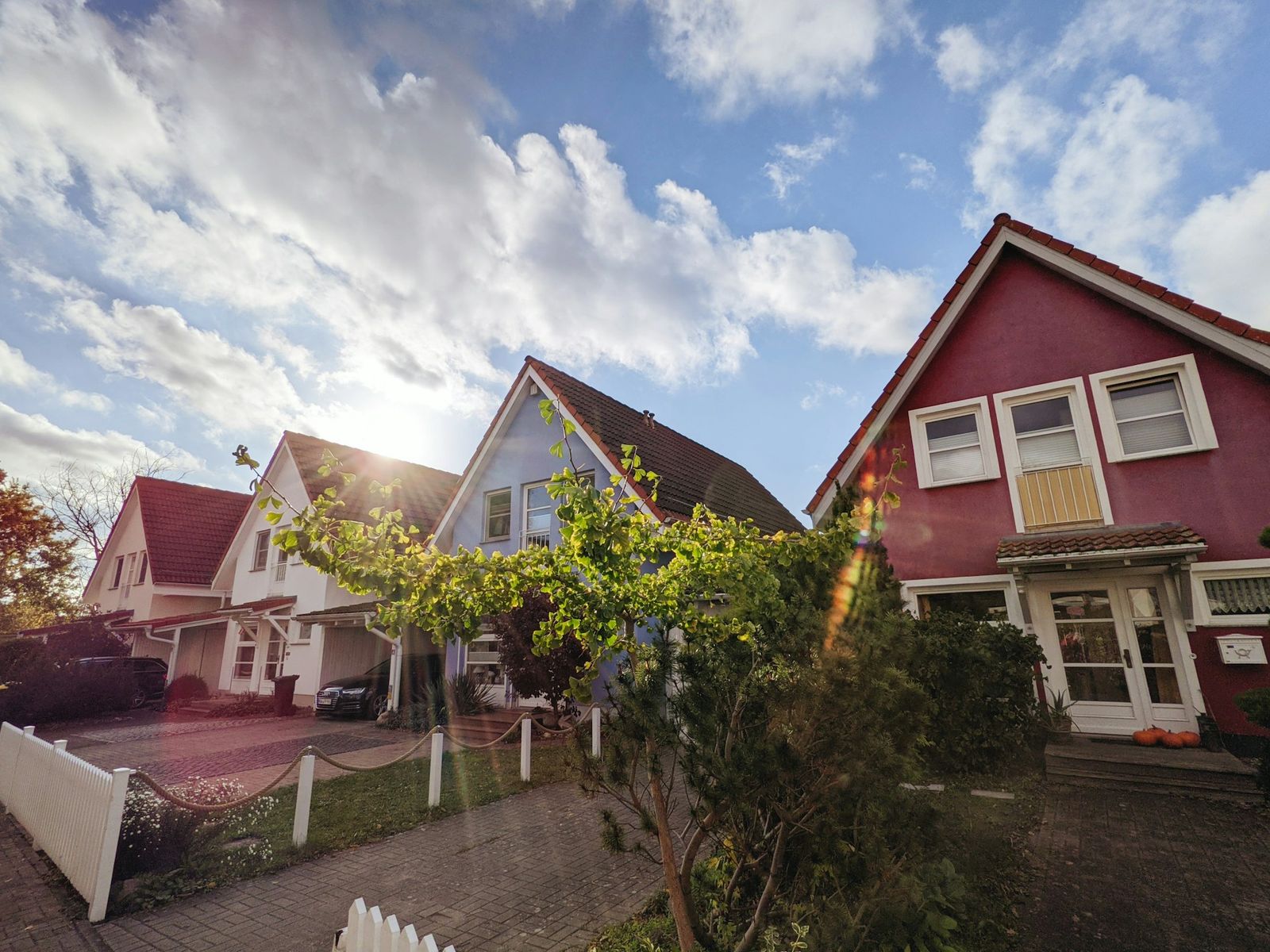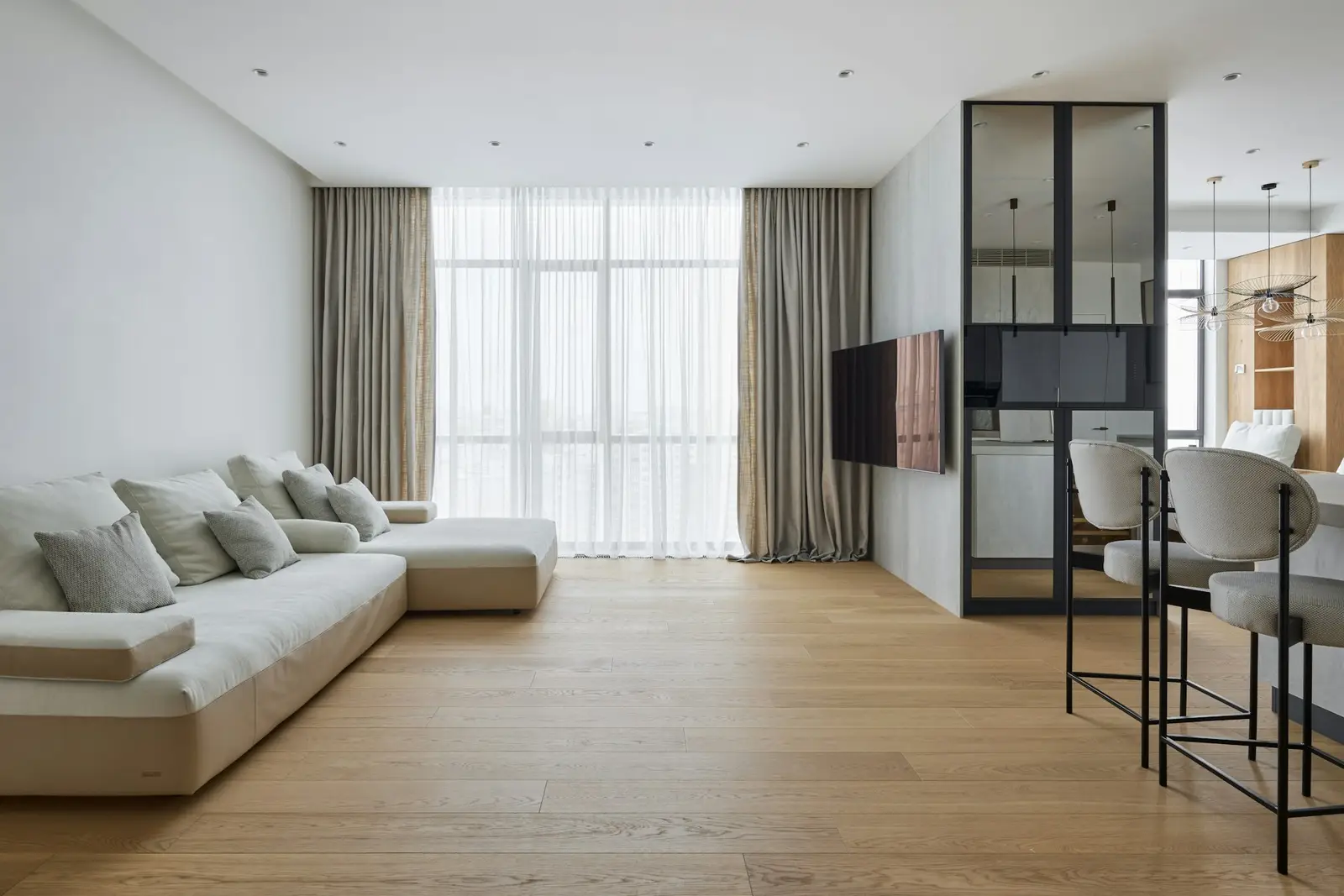
Design Systems for Multi-City Vacation Rentals: Brand and FF&E Standards
Design Systems That Scale Across Cities
Running a vacation rental in one city is hard enough. Running a portfolio in several cities, each with its own style, codes, and guest expectations, can start to feel messy fast. When each unit is designed one at a time, you end up with different looks, random furniture, and little systems behind the scenes. That chaos usually shows up right when you want clean operations and strong bookings.
A design system is how you fight that chaos. In vacation rental design services, a design system is a repeatable, documented way of doing interiors, FF&E, and refresh timing that works in Miami, Denver, and Nashville without starting from zero each time. It gives you rules, templates, and clear choices, so every space feels thoughtful and on brand, while your team moves faster.
At Tangy Management, we blend boutique, design-forward thinking with structured operations. We have seen that good design only really pays off when it is supported by clear standards and repeatable steps. That mix is what helps owners push for higher nightly rates, better reviews, and longer shoulder-season stays, instead of relying on one-off remodels that are hard to repeat at scale.
Building a Cohesive Brand Look Across Markets
Guests scroll fast. A clear, consistent visual identity helps them understand your brand in seconds, even when listings are spread across very different cities. When your photos share a clear look, guests start to recognize your units and build trust before they even read the description.
A strong visual identity usually includes:
- Color stories that repeat across units
- A clear mix of materials, like wood, metal, and textiles
- Art direction that feels connected, not random
- Photography that is shot and edited in a recognizable way
The trick is balancing brand consistency with local flavor. Some things should stay the same:
- Core color palette and accent colors
- Key furniture silhouettes, like sofas, beds, and dining chairs
- Styling rules, like how many objects sit on a shelf or coffee table
- Photo composition and lighting style
Other details should flex based on the city:
- Art and wall decor that nods to local culture or landscape
- Textures that fit the climate, like lighter fabrics in warmer areas
- Small accessories and books that speak to regional interests
We like to document this in easy tools. A brand design playbook lays out your core rules. Market-specific mood boards keep each city feeling unique while still on brand. Shared asset libraries for art, decor, and photography give your design, operations, and marketing teams one source of truth. This cuts down on guesswork and keeps every decision faster and more aligned.
Creating FF&E Kits That Travel Well
FF&E kits take the guesswork out of furnishing. In vacation rental design services, an FF&E kit is a pre-approved package of furniture, fixtures, and equipment that can roll out quickly, still feels curated, and is proven to work for guests and cleaners.
Good kits are built to travel across markets. When we select items, we look for:
- Durable fabrics that handle high turnover and frequent laundering
- Modular pieces that work in many floor plans, like sectionals and nesting tables
- SKUs available nationwide, so reorders and replacements are easy
- Items that are simple to assemble and repair locally
Tiered kits make planning even easier. You might have:
- Good / Better / Best levels to match different ADR goals
- Studio / Family / Group layouts for different guest types
- Urban / Suburban / Resort versions for different markets
This structure helps you:
- Forecast furnishing costs and timelines more clearly
- Standardize maintenance and cleaning processes
- Deliver a consistent guest experience across your portfolio
With kits, you are not reinventing the wheel for each unit. You are choosing from a tested menu that already fits your brand, your operations, and your revenue strategy.
Systemizing Remote Refresh Cycles
A unit that looks tired in photos will struggle, no matter how good its location is. Planned refresh cycles keep your spaces feeling current without constant emergencies. This is especially helpful for remote owners who cannot check every property in person.
We like to think in layers. Seasonal mini-updates focus on:
- Soft goods like pillows, throws, and bedding
- Small decor swaps to keep styling feeling fresh
- Outdoor items, such as chair cushions or planters
Then, deeper cyclical overhauls happen on a longer schedule. These can include:
- Repainting high-traffic walls and trim
- Replacing worn rugs, sofas, and mattresses
- Updating lighting for better photos and comfort
A sample refresh calendar might line up soft goods and light styling updates ahead of busy travel periods, and plan bigger work like repainting or major furniture swaps in slower months. The key is to track what you do and what happens next, so you can see any uplift in reviews, booking pace, or ADR.
Operationalizing this across cities requires structure:
- Standardized checklists that cleaners and field teams can follow
- Photo-driven condition audits stored in a shared system
- Local vendor partners ready to step in for repairs, painting, and installs
This keeps you out of reactive mode and gives your portfolio a steady rhythm of care.
Aligning Design Standards with Revenue Management
Good design is not only about looks. It has a direct impact on your pricing power and performance on booking channels. Cohesive interiors, updated FF&E, and new photography all support stronger dynamic pricing and better search results.
We like to connect design choices to revenue data. That means:
- Flagging underperforming units across different cities
- Running controlled trials, such as upgrading one set of units first
- Watching changes in ADR, occupancy, and reviews after design updates
Designers, revenue managers, and operations work best when they share tools. Shared dashboards can grade each unit on both design quality and performance. Clear playbooks can outline which upgrades to trigger at certain thresholds, like:
- If a unit lags behind its comp set, refresh soft goods and update photos
- If low reviews mention comfort, upgrade bedding and seating
- If ADR plateaus, consider a larger FF&E update or a small layout change
This way, you are not guessing where to spend on design. You are following a plan backed by actual performance.
Turning Your Portfolio Into a Repeatable Guest Favorite
When you bring all of this together, your portfolio starts to feel like a true brand instead of a random mix of listings. A scalable design system, thoughtful FF&E kits, and steady refresh cycles give guests a reliable, recognizable experience, even as they move from one city to another. That consistency builds trust, supports better pricing, and makes operations more predictable.
Owners can start by auditing what they already have. Look at how consistent your brand visuals are across markets, check the age and condition of key FF&E pieces, and ask if your refreshes are planned or just happen when something breaks. From there, it becomes easier to build simple standards and repeatable steps that work across your current cities and any new ones you add later. Tangy Management focuses on this systemized, design-forward approach so multi-city portfolios can grow without losing quality or control.
Get Started With Your Project Today
If you are ready to elevate your property, our tailored vacation rental design services make it simple to move from ideas to a fully guest-ready space. At Tangy Management, we focus on designs that photograph beautifully and perform well across different booking platforms. Share a bit about your property and goals, and we will outline the next steps to bring your vision to life. If you have questions or need help deciding where to start, just contact us and we will walk you through your options.